🌸 Celebrating the Humble Green Spaces that Bring Beauty and Belonging to Our Cities
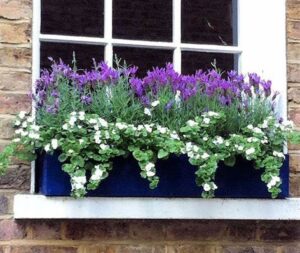
Window-box gardens may seem small, but they hold surprising power — not only to beautify homes and streets, but also to foster connection, resilience, and even social change.
Professor Sonja Dümpelmann, a historian of landscapes and the built environment, explored the history of window-box gardening while living in Philadelphia. What she found is both fascinating and deeply encouraging.
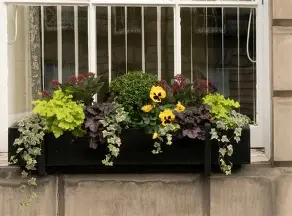
From the 19th century onwards, women in the US and Europe began planting window boxes as part of a growing movement known as “municipal housekeeping”. They extended their care for the home into the community, using plants to uplift neighbourhoods and offer beauty and healing — particularly in poorer, neglected areas.
By the 1950s, this simple act had grown into what Dümpelmann calls “window-box activism”. White suburban garden clubs and Black city residents came together, using plants to reclaim neglected blocks, improve safety, and forge unexpected bonds. Remarkably, police even reported lower crime rates on streets with window boxes.
These “gardens in a box” don’t just decorate buildings — they soften hard urban edges, greet passersby with colour and life, and make cities feel more human.

🌱 Even small, everyday encounters with nature — a splash of green outside a window, the scent of herbs or flowers, the daily rhythm of watering — can lower stress, lift our spirits, and restore a sense of calm. Tending to a window box is one simple, accessible way to stay connected to the natural world, even in the heart of a busy city.
Today, window-box gardens remind us that small, everyday acts of care can ripple outward — building beauty, connection, and hope.
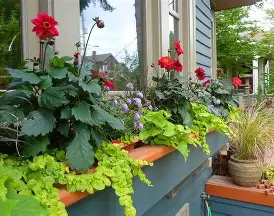
💚 You can read the full story here: Micro-Greenspaces: How Window-Box Gardens Can Shape a City