🌿 Wholeness begins in the gut – Restoring balance through the nourishing power of ancestral foods
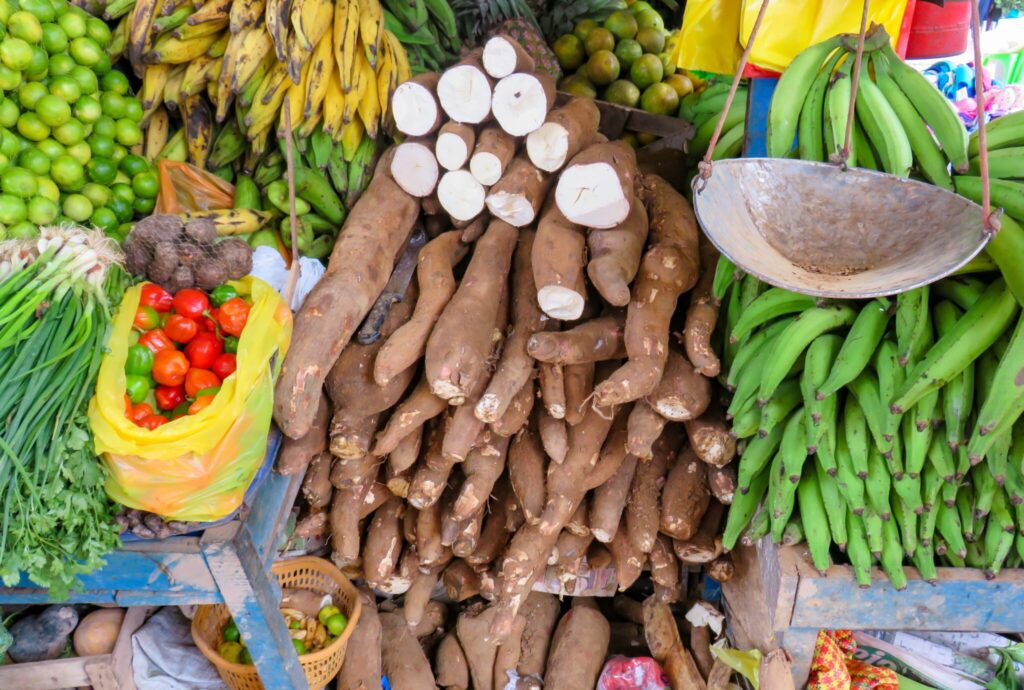
Recent research published in Nature Medicine has shed fascinating light on how diet shapes gut health and overall inflammation. The study compared participants following a traditional African diet – rich in whole, plant-based foods – with those eating a Western-style diet – high in refined carbohydrates, sugars and processed fats.
🌾 A Tale of Two Diets
Researchers found that people following a traditional African diet, abundant in grains, legumes, vegetables, and fermented foods, had higher microbial diversity and lower inflammatory markers than those on a Western diet.
These participants also produced more short-chain fatty acids (SCFAs) – beneficial compounds that nourish the gut lining, balance immunity, and protect against chronic disease.
By contrast, the Western diet – sometimes called the Standard American Diet (SAD) – was associated with gut dysbiosis, increased endotoxins, and greater systemic inflammation.
(Source: Nature Medicine – Traditional Diet and Gut Inflammation Study, 2025)

💚 The Gut–Body Connection
Your gut microbiome plays a powerful role in overall well-being – influencing digestion, immunity, mood and metabolism. When fed a fibre-rich, minimally processed diet, the microbiome thrives, producing compounds that calm inflammation and strengthen gut integrity.
A diet high in ultra-processed foods, however, disrupts this balance, leading to “leaky gut”, fatigue, brain fog, and an increased risk of metabolic and autoimmune disorders.

🍲 Lessons from Tradition
Many traditional African diets include a natural rhythm of:
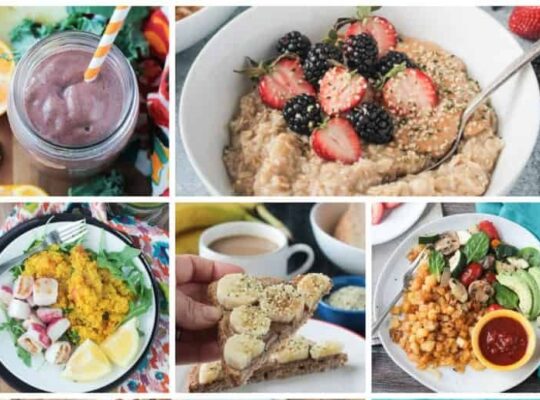
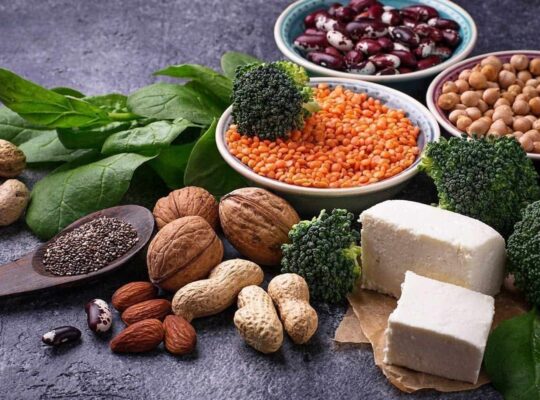
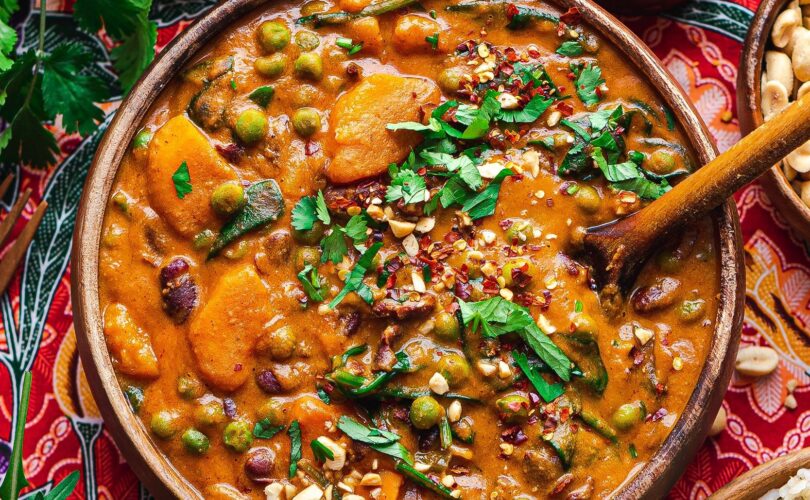
🌿 Fibre-rich grains and legumes
🌿 Leafy greens and colourful vegetables
🌿 Fermented foods like amasi and mahewu
🌿 Minimal added sugars or refined oils
These dietary patterns have long supported community health, vitality, and longevity – long before “gut health” became a buzzword.
(Supporting reference: World Health Organization – Diet and Noncommunicable Diseases in Africa)

🌍 A Path Forward
The study offers a gentle reminder that returning to real food traditions – those rooted in local produce, diversity and mindful preparation – can powerfully restore balance in our modern lives.
Small shifts can make a big difference:
✨ Choose whole foods over processed
✨ Add beans or lentils to your meals several times a week
✨ Choose whole grains like brown rice, sorghum and millet
✨ Include fermented foods for microbial diversity
✨ Swap sugary drinks for water or herbal teas
Every meal becomes an opportunity to nourish your gut and celebrate the power of natural, time-honoured foods.
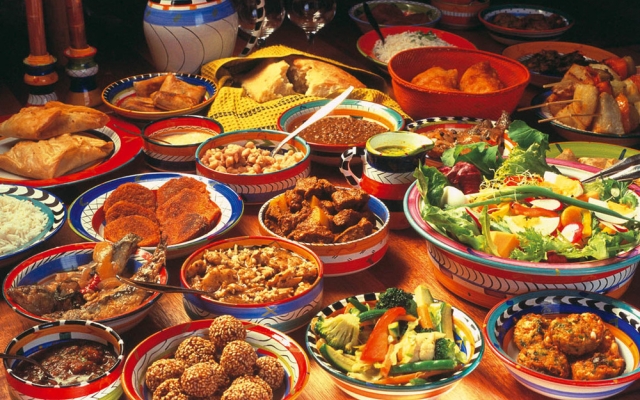
🌿 Nourish Your Gut, Nurture Your Whole Self
If you’d like to understand your body a little better and learn what truly supports your digestive health, the free Get to Know Your Gut Masterclass by the Food Revolution Network is a beautiful place to begin 💚
In this gentle and eye-opening session, gut health expert Dr Alan Desmond joins best-selling author Ocean Robbins to explore how the food we eat shapes not only our digestion, but also our energy, mood, and resilience.
You’ll discover:
🌱 How your gut and mind are deeply connected
🌿 What your microbes are doing while you sleep (and why it matters)
🍲 The surprising link between beans, fermented foods and vitality
💫 Simple, nourishing ways to begin restoring balance – from the inside out
🎥 You can join the free Get to Know Your Gut Masterclass today – it’s full of warmth, clarity and practical inspiration.
Your gut holds so much wisdom… this is a lovely way to start listening 🌿✨