🥬 20 Gut-Loving Foods (and 10 to Avoid) Backed by Science
A plant-powered guide to nourishing your digestive system naturally
A healthy gut is the foundation of overall wellness — influencing everything from immunity and energy to mood and mental clarity. But what we eat can either nourish or disrupt the delicate balance of the gut microbiome. Fortunately, with the right foods, you can support the growth of beneficial bacteria, reduce inflammation, and strengthen your digestive system.
Drawing on insights from trusted wellness sources like Food Revolution, Goodness Lover, and the Blue Zones, we’ve curated a list of 20 of the best plant-based foods to support a happy, thriving gut — and 10 of the worst offenders to limit or avoid.
✅ 20 of the Best Gut-Healthy Foods (Plant-Based)
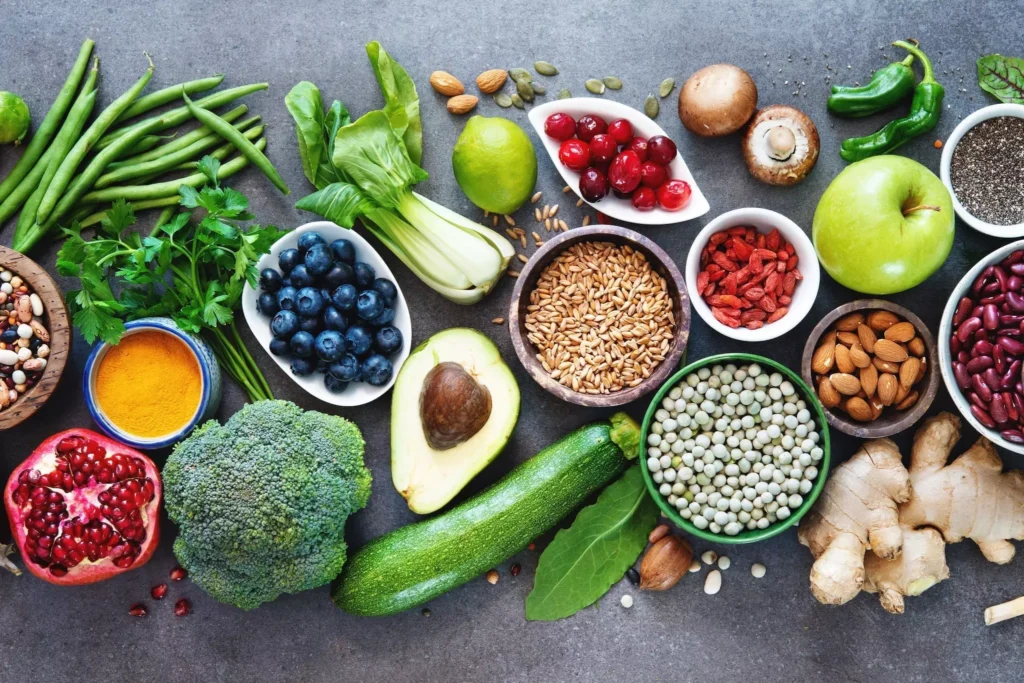
These fibre-rich and antioxidant-packed foods feed good bacteria, soothe inflammation, and help your gut flourish:
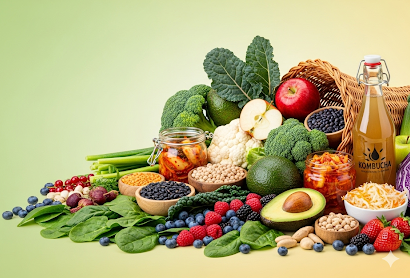
- Fermented Foods – Kimchi, sauerkraut, miso, tempeh, and kombucha introduce beneficial probiotics to the gut.
- Leafy Greens – Kale, spinach, Swiss chard, and lettuce contain fibre and prebiotics that good bacteria love.
- Berries – Blueberries, raspberries, and strawberries offer polyphenols that encourage microbial diversity.
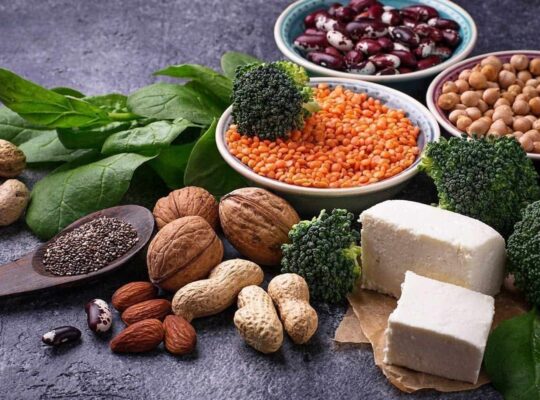
- Chia & Flax Seeds – Packed with fibre and omega-3s to support gut lining and keep digestion smooth.
- Nuts – Almonds, walnuts, and cashews are rich in fibre, polyphenols, and healthy fats for microbial fuel.
- Bananas (especially underripe) – A great source of resistant starch, a powerful prebiotic.
- Garlic & Onions – Contain inulin and other prebiotics that nourish beneficial bacteria.
- Leeks, Shallots & Spring Onions – Related to garlic and onions, they provide similar prebiotic benefits.
- Jerusalem Artichokes (Sunchokes) – Exceptionally high in inulin for feeding gut flora.
- Asparagus – A natural prebiotic that promotes bifidobacteria growth.
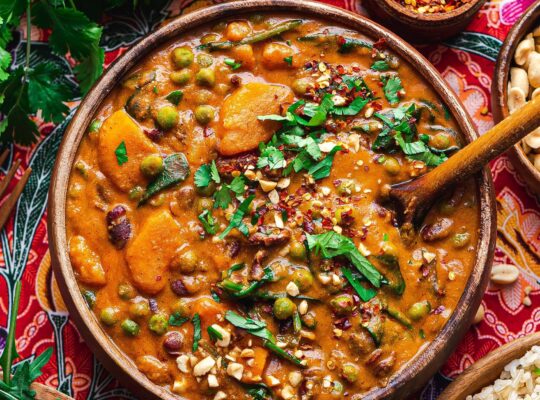
- Sweet Potatoes – Gentle on digestion and high in fibre, plus rich in antioxidants.
- Legumes – Lentils, chickpeas, black beans and others are excellent fibre sources to support microbial diversity.
- Apples – High in pectin, a soluble fibre that promotes gut motility and balances microbes.
- Whole Grains – Oats, quinoa, barley, and brown rice offer insoluble fibre and feed beneficial bacteria.
- Mushrooms – Contain beta-glucans that support gut immunity and microbial balance.
- Seaweed – Rich in fibre and minerals; supports growth of specific healthy strains of gut bacteria.
- Avocados – Full of fibre and healthy fats to support digestive health and regularity.
- Cabbage & Broccoli (Cruciferous Veg) – Rich in fibre and sulforaphane, which supports gut lining integrity.
- Ginger & Turmeric – Anti-inflammatory herbs that support digestion and reduce bloating.
- Plant-Based Broth with Seaweed & Mushrooms – A nourishing, mineral-rich broth to soothe the gut lining and support immune function.
❌ 10 Foods That Can Harm Gut Health
These foods can disrupt the microbiome, fuel inflammation, and harm digestion — best kept to a minimum or avoided altogether:
- Refined Sugars – Feed harmful bacteria and promote inflammation.
- Artificial Sweeteners – Linked to reduced microbial diversity and gut imbalance.
- Ultra-Processed Foods – Contain additives, preservatives, and emulsifiers that harm gut lining.
- Excess Alcohol – Damages gut lining and disrupts microbial balance.
- Fried Foods – Hard to digest and often rich in trans fats, which fuel inflammation.
- Red and Processed Meats – May contribute to unfavourable microbial changes and increase inflammation.
- Dairy (can cause subtle reactions even in non-allergic people) – Especially ultra-pasteurised or low-quality dairy can be inflammatory or poorly digested.
- Gluten (can contribute to brain fog, bloating, other digestive symptoms) – Especially in ultra-processed forms; can contribute to leaky gut in sensitive people.
- Soft Drinks (sugar- or artificially-sweetened) – Acidic and full of gut-disrupting ingredients.
- Industrial Seed Oils (e.g. soybean, canola, corn) – High in omega-6 fats that can tip the inflammatory balance.
Closing Thoughts
The state of your gut isn’t fixed — it’s constantly shaped by your lifestyle and what you eat. By incorporating more of the gut-friendly foods above and limiting the ones that can cause harm, you’re giving your body the best chance at vibrant health from the inside out.
If you’d like support in creating nourishing routines for better digestion, energy and wellbeing, you’re warmly invited to connect with Lara at Willow_Health@Outlook.com, or follow along on Facebook for more inspiration and wellness tips.