Top Brain-Healthy Foods and Recipes for Optimal Wellbeing
Simple food and lifestyle choices to protect memory, focus and long-term brain health
Many people believe that conditions like dementia and cognitive decline are simply a matter of fate – something that happens as we age, regardless of what we do. But science tells a more hopeful story: you have far more influence over your brain health than you might think. And one of the most powerful tools at your fingertips is the food you eat.
So, what are the most nourishing foods for your brain? And which ones are best avoided if you want to stay sharp, focused, and mentally resilient as the years go by?
Renowned neurologists Drs Dean and Ayesha Sherzai, authors of The Alzheimer’s Solution and The 30-Day Alzheimer’s Solution, have spent their careers exploring the link between food, lifestyle, and brain health. Their research reveals that certain plant-based foods are not only protective – they may even help the brain repair itself.

This article, shared with kind acknowledgement to The Food Revolution Network, explores the NEURO 9 – a powerful group of brain-loving foods – along with recipes and lifestyle tips to help you make choices that nourish both body and mind.
Why Brain Health Starts on Your Plate
Your brain may only account for about 3% of your body’s weight, but it uses up a whopping 20% of your daily energy. That makes nutrition one of the biggest influences on how your brain functions – now and into the future.
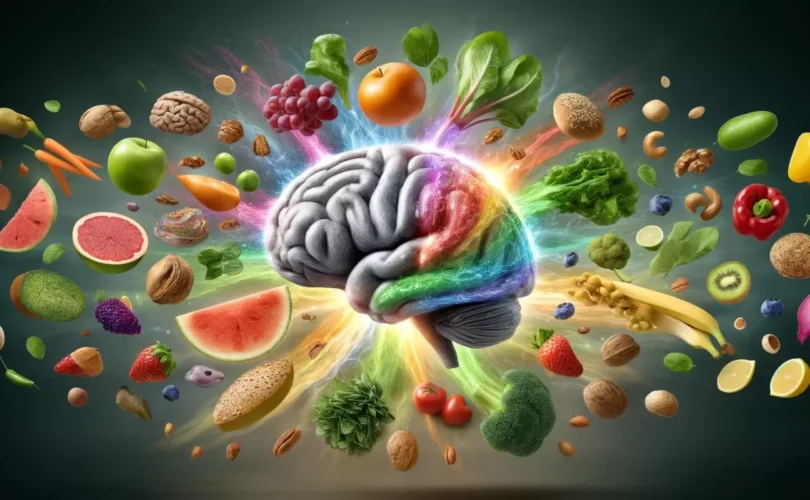
Foods rich in antioxidants and healthy fats support the brain’s ability to repair itself, improve memory, and build new neural connections (a remarkable quality called neuroplasticity). These nutrients also help reduce inflammation and oxidative stress, both of which play a role in conditions like Alzheimer’s and dementia.
One especially promising eating pattern is the MIND Diet, a blend of the Mediterranean and DASH diets that focuses on foods shown to support brain health – particularly leafy greens, berries, nuts and whole grains. Research shows that even moderate adherence to the MIND diet can significantly reduce the risk of Alzheimer’s.

Meet the NEURO 9: Top Foods for Brain Health
Drs Sherzai identified nine food groups – fondly referred to as the NEURO 9 – that are especially beneficial for long-term brain health:
- Green Leafy Vegetables – Rich in folate and vitamin K, leafy greens like kale, spinach and Swiss chard have been linked to slower cognitive ageing.
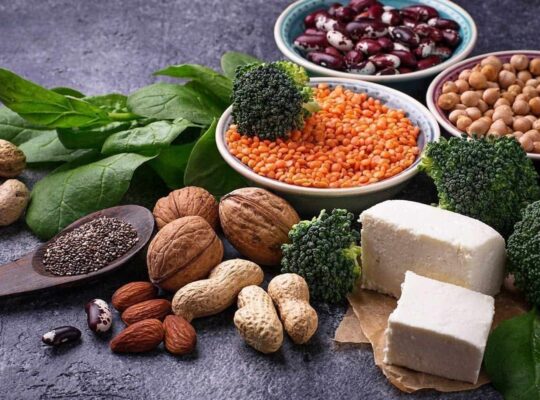
- Beans – Full of fibre and plant protein, beans support a healthy gut microbiome and reduce brain-damaging inflammation.
- Berries – High in antioxidants called flavonoids, berries like blueberries and strawberries help protect memory and cognitive function.
- Nuts – A source of vitamin E and healthy fats, nuts such as almonds and walnuts help protect brain cells from oxidative stress.
- Seeds – Chia, flax, and hemp seeds are rich in omega-3s, which support brain development and reduce inflammation.
- Herbs & Spices – Anti-inflammatory powerhouses like turmeric, sage and ginger may help reduce brain fog and support memory.
- Cruciferous Vegetables – Broccoli, cauliflower and cabbage contain sulforaphane, an antioxidant linked to reduced cognitive decline.
- Whole Grains – Oats, quinoa and brown rice provide steady energy, fibre and brain-friendly B vitamins.
- Tea – Green, black and white tea contain compounds like L-theanine and catechins that support focus and relaxation.

What to Avoid for a Healthier Brain
While the NEURO 9 are your brain’s best friends, some foods do more harm than good. These are worth limiting – or avoiding altogether:
- Processed & Fried Foods – Often high in trans fats and additives that contribute to inflammation and insulin resistance.
- Refined Sugars & Artificial Sweeteners – Can lead to brain fog and inflammation, particularly when consumed without fibre.
- Excess Animal Products – Red meat and full-fat dairy have been linked to increased risk of cognitive decline.
- Excess Alcohol – Some people tolerate small amounts, while others feel and function best without it. Higher intake can impair memory and disrupt sleep.
More Than Just Diet: The NEURO Lifestyle
Nutrition is just one part of what the Sherzais call the NEURO Plan, a holistic approach to brain health:
- N – Nutrition: Eat whole, plant-based foods.
- E – Exercise: Move regularly to support new brain connections.
- U – Unwind: Manage stress through mindfulness, rest and social connection.
- R – Restore: Get quality, consistent sleep.
- O – Optimise: Challenge your brain with new skills, puzzles, or creative hobbies.

Try These 7 Nourishing Recipes
Each of these recipes includes ingredients from the NEURO 9 – and avoids brain-harming additives. They’re easy, delicious, and packed with nutrients that help you think clearly and feel energised:
- Blueberry Walnut Banana Pancakes
- Blueberry Earl Grey Chia Parfait
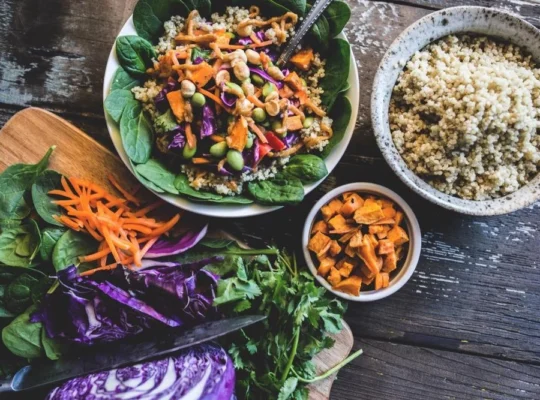
- Cruciferous Crunch Bowl
- Lentil Stuffed Sweet Potato
- Moroccan Spiced Sweet Potato, Chickpea, and Spinach Stew
- Energizing Pumpkin Seed Snack Mix
- Soothing Spiced Matcha Tea

Closing Thoughts
You have more control over your cognitive health than you might think – and it starts with the choices you make each day. By embracing the NEURO 9, avoiding brain-harming foods, and creating a lifestyle that supports calm, rest and growth, you give your brain the best chance at staying clear, sharp and energised for life.
If you’d like support on your brain health journey, you’re warmly invited to get in touch. Email Lara at Willow_Health@Outlook.com, or connect with our community on Facebook. I’d love to explore how coaching could help you reach your brain health goals – in a way that feels both nourishing and sustainable.