🌱 Meeting Your Protein Needs on a Whole Food Plant-Based Diet

It’s a common misconception that it’s hard to get enough protein on a plant-based diet. The truth is, with some basic knowledge and smart choices, you can easily meet your needs – while nourishing your body with delicious, health-enhancing whole foods.
Protein is essential for repairing tissues, building muscle, and supporting everything from hormones to immune health. While animal proteins contain all nine essential amino acids (making them “complete”), many plant foods are also rich in protein – and when eaten in variety, they can more than meet your body’s requirements.
🌿 Why Plant-Based Protein is a Smart Choice
Whole plant foods come with added health benefits like fibre, antioxidants, and anti-inflammatory compounds – all of which support long-term wellness. With careful planning, a whole food plant-based diet can provide all the amino acids your body needs – without the saturated fat, cholesterol, and environmental impact of animal-based proteins.
According to nutrition experts, there’s no need to combine complementary plant proteins at every meal. As long as you’re eating a variety throughout the day, your body knows how to make the most of what you give it.

🌿 How Much Protein Do You Need?
- Most adults require about 0.75g of protein per kilogram of body weight per day.
- This increases during pregnancy, lactation, and for people with higher activity levels.
- Athletes or those doing resistance training may need more (up to 2g/kg/day), but most people thrive on modest, well-distributed protein intake.
For example, a 60kg person needs around 45g of protein daily – easily achievable on a balanced plant-based diet.
🌿 Whole Food Sources of Plant-Based Protein
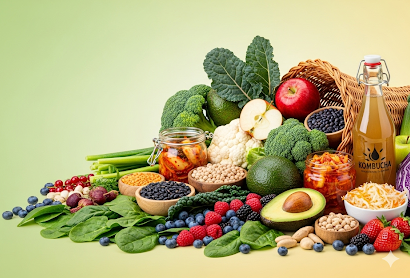
Here are some protein-rich plant foods to enjoy regularly:
🌿 Soy-based powerhouses
- Tofu (8g/100g): Versatile and mineral-rich
- Tempeh (17g/84g): Fermented for better digestion
- Edamame (18g/cup): High in all essential amino acids

🌿 Legumes & pulses
- Lentils (18g/cup): Packed with iron and B vitamins
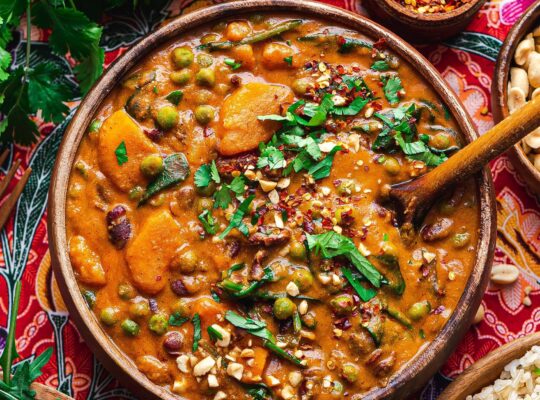
- Chickpeas (18g/can): Perfect for curries and hummus
- Peas (8g/cup): High in fibre and vitamin C

🌿 Grains & seeds
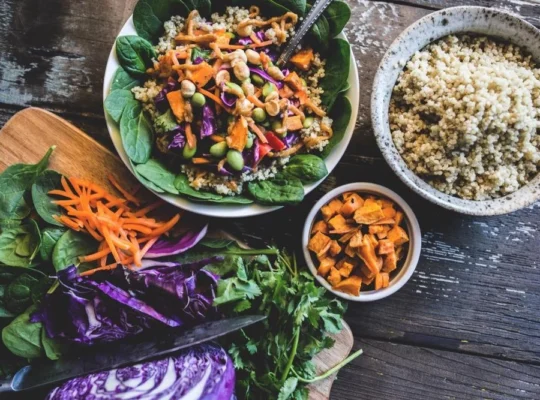
- Quinoa (8g/cup): A complete protein and great fibre source
- Oats (7g/50g): A breakfast staple
- Hemp seeds (9.5g/3 tbsp): Rich in omega-3s
- Whole grains like buckwheat, brown rice, and wholewheat bread: great amino acid combos when paired with beans or legumes

🌿 Nuts & nut butters
- Almonds (21g/100g), walnuts, and hazelnuts: Protein-rich and heart-healthy fats

🌿 Veggies with a bonus
- Broccoli, mushrooms, sweetcorn, and spinach all contribute modest amounts of protein – plus antioxidants and micronutrients

🌿 Avoiding Processed “Meats”
While plant-based meat alternatives like seitan or soy patties can be convenient, many are highly processed and contain added salt, sugar, and preservatives. For long-term wellness, prioritise whole food sources and save the faux meats for occasional use.
🌿 Takeaway
Getting enough protein on a plant-based diet is not only doable – it’s delicious, nourishing, and good for the planet. The key is variety, whole food focus, and staying mindful of the nutrients that may need a little extra attention. Whether you’re new to this lifestyle or a seasoned plant-eater, your body will thank you for fuelling it well 💚

Sources:
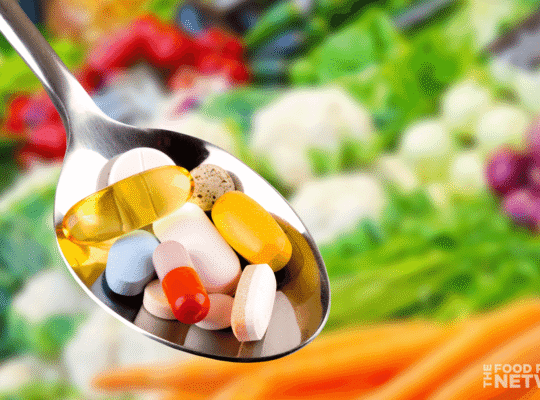
The Food Revolution Network – Supplements for Vegans & Vegetarians
Plant Based News – 15 Best Plant-Based Protein Sources

If you’d like support on your health journey, you’re warmly invited to get in touch. Email Lara at Willow_Health@Outlook.com, or connect with our community on Facebook. I’d love to explore how coaching could help you reach your health goals – in a way that feels both nourishing and sustainable.